April 5, 2026
Planning a Home Addition: Steps for a Smooth Project
Adding a room or extending your floor plan is a big decision. This guide walks you through the practical steps so you can avoid surprises and keep the project on track.
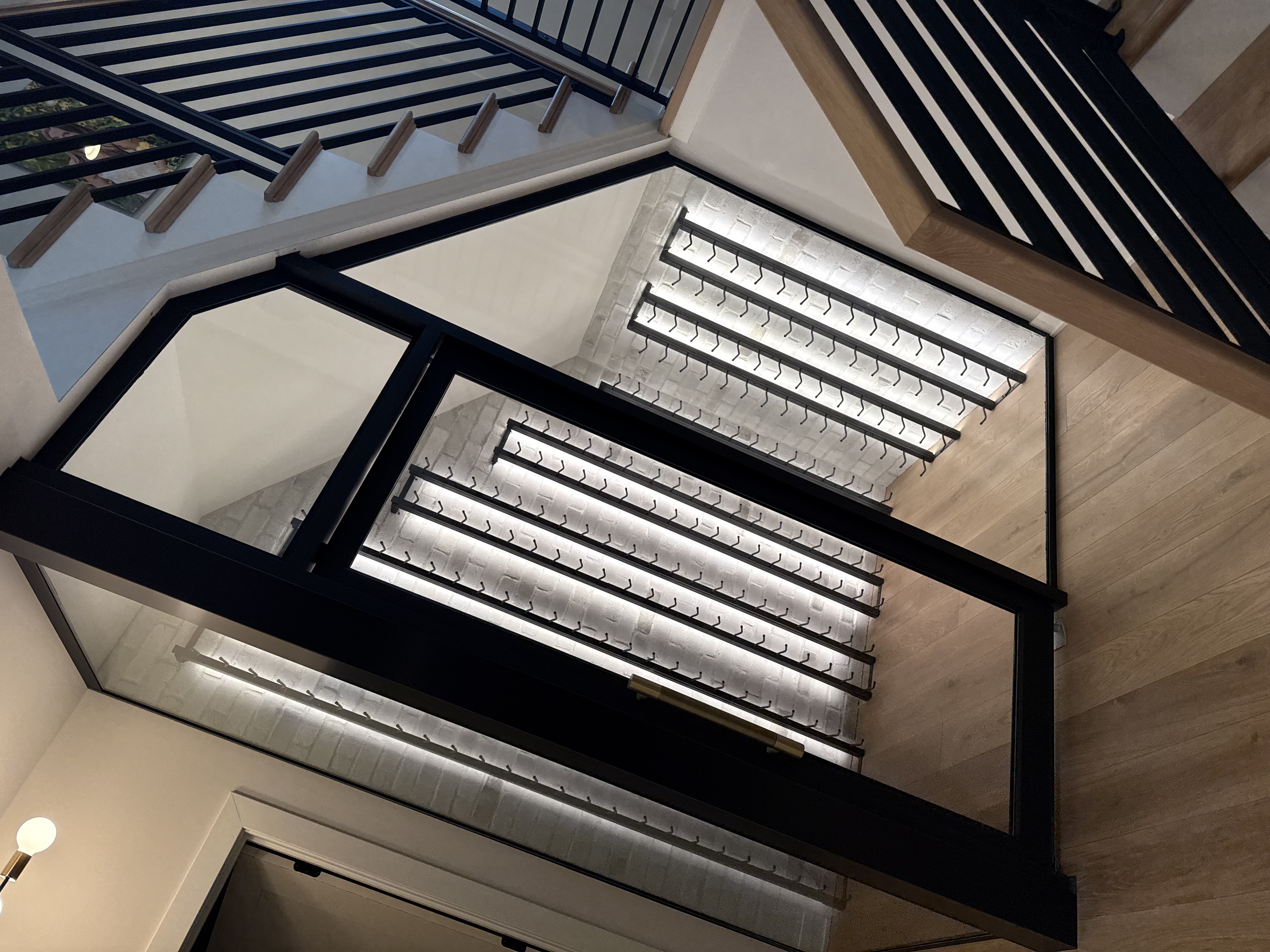
Thinking about a home addition? Whether you need an extra bedroom, a larger kitchen, or a dedicated office, the process can feel overwhelming. You’re balancing design ideas, budget limits, and local regulations—all while trying to keep daily life running smoothly. This guide breaks the process into manageable stages, so you know what to expect from the first sketch to the final walkthrough.
Start by writing down the purpose of the addition. Are you creating more living space for a growing family, adding value for future resale, or simply improving functionality? Clear goals help you decide on size, layout, and essential features. Once you have a purpose, set a realistic budget. Include not just construction costs but also permits, design fees, utility upgrades, and a contingency of about 10‑15% for unexpected issues.
In Warren and Hamilton counties, any new square footage typically requires a building permit. The local building department will check structural integrity, setbacks, and zoning rules. Gather these documents before you hire a contractor to avoid delays:
Scheffer Construction has worked with the same county offices for over 30 years, so we can help you prepare the paperwork and schedule inspections at the right milestones.
With permits in hand, focus on the design details. Think about how the new space will flow from the existing rooms. Natural light, ceiling height, and flooring continuity are practical considerations that also affect how the addition feels. Choose materials that match or complement what’s already in the house—this keeps the look cohesive and can simplify the finish work.
Timing depends on the scope. A modest two‑room extension might take 8‑10 weeks, while a larger multi‑level addition could stretch to several months. Weather is a factor in Cincinnati; many homeowners schedule exterior work in late spring or early fall to avoid rain‑related delays.
When you interview contractors, ask about:
A family‑owned business like Scheffer Construction brings personal oversight from Matt Scheffer and a track record of 465+ successful renovations. That history means we understand local building codes and the expectations of homeowners in neighborhoods from Mason to Blue Ash.
Once construction begins, regular site visits and clear communication keep the schedule on track. Expect weekly updates on progress, any issues that arise, and next steps. When the work is finished, a final walkthrough ensures every detail meets the agreed‑upon standards before you move into the new space.
Adding onto your home is a significant investment, but with a solid plan, the right permits, and a contractor who knows the local landscape, the process can be straightforward. Use this guide as a checklist, ask plenty of questions, and keep an eye on your budget and timeline. When you’re ready to discuss your ideas, Scheffer Construction is here to listen and help you turn those plans into a finished addition that fits your lifestyle.